Professional Tree Services in San Diego
Revolutionize Your Outdoor Space: A Comprehensive Guide at Tree Services and Professional Tree Care
Redesigning outdoor spaces is a comprehensive process that requires a deep understanding of tree services and expert care. Trees play a essential role in elevating aesthetics and promoting environmental balance. From routine maintenance to emergency removal, each aspect contributes to the overall health of the landscape. However, the nuances source of tree care can be intricate. What essential factors should one consider to ensure a thriving outdoor environment?
Appreciating the Critical Role of Tree Care
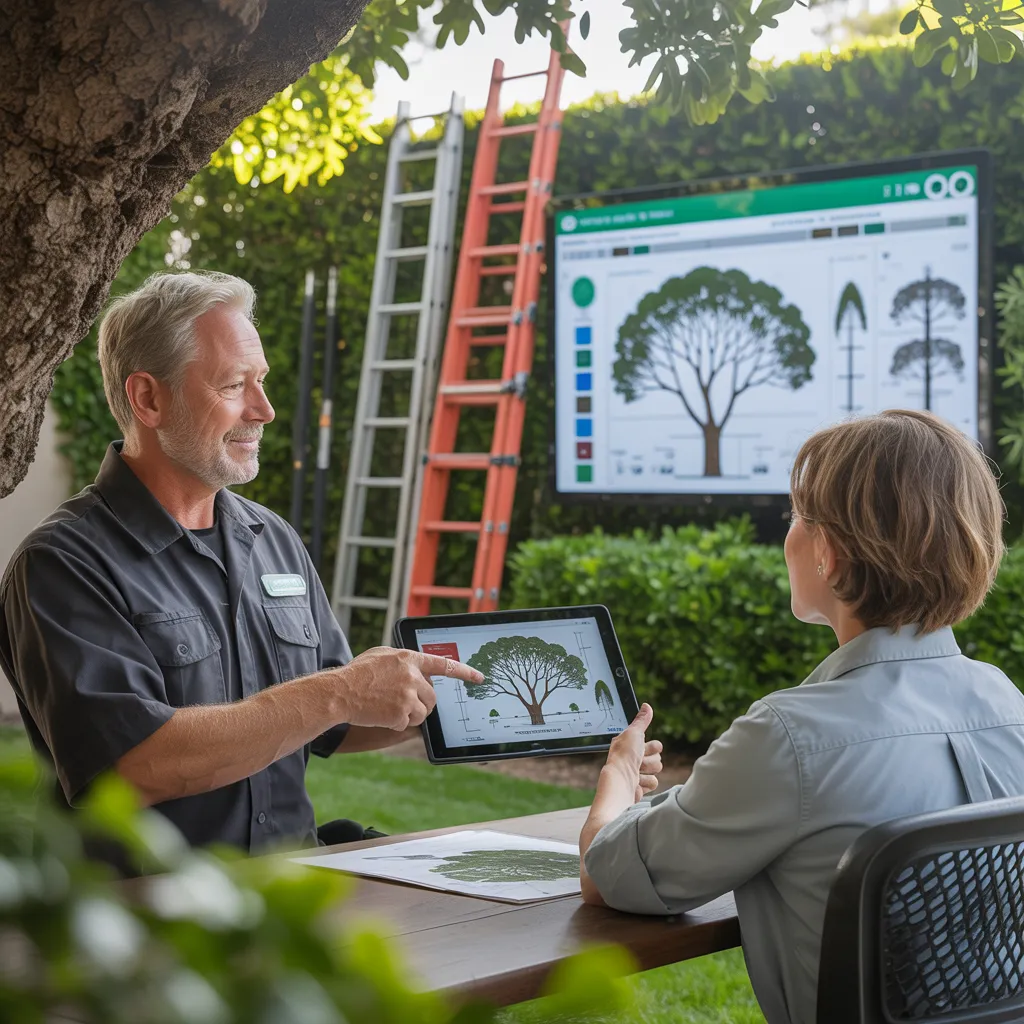
Despite being often ignored, tree care is critical for maintaining both the well-being of individual trees and the overall ecosystem. Trees play a vital role in providing oxygen, boosting air quality, and supporting wildlife habitats. Correct care guarantees that trees can prosper, resist diseases, and adapt to environmental changes. Overlooking tree care can lead to various issues, such as pest infestations, structural deficiencies, and reduced lifespan.
Additionally, carefully maintained trees increase property value and provide aesthetic beauty. They also help in soil conservation and water management by reducing erosion and keeping moisture levels. Understanding the critical nature of tree care goes beyond individual trees; it includes the broader ecological framework that supports biodiversity and climate regulation. By making a priority of tree health, communities can promote a sustainable environment, guaranteeing that future generations gain from the countless advantages trees provide. Consequently, investing time and resources into tree care is an essential aspect of responsible environmental stewardship.
Scheduled Maintenance and Pruning Procedures
Routine maintenance and effective pruning techniques are essential for the health and longevity of trees. Understanding various pruning methods can enhance growth and structure, while implementing maintenance timelines confirms trees receive prompt care. Combined, these practices support a thriving landscape and informed tree management.
Pruning Methods Overview
Pruning serves a vital function in maintaining the health and aesthetics of trees. Different approaches exist, each serving specific purposes. The thinning method entails selectively removing branches to enhance light penetration and air circulation, promoting overall tree vigor. In contrast, the heading method concentrates on shaping the tree by cutting back branches to a designated point, encouraging denser foliage. Reduction pruning, which reduces branches to diminish size while preserving the tree's natural form, is valuable for managing growth. Finally, rejuvenation pruning is applied on overgrown trees, greatly cutting back branches to stimulate new growth. Comprehending these techniques allows property owners to enhance their landscape while maintaining the longevity and beauty of their trees.
Maintenance Schedule Significance
Creating a maintenance schedule is vital for ensuring the long-term health and vigor of trees. Regular maintenance, including pruning, fertilization, and pest management, aids in detecting issues early, promoting strong growth and minimizing disease risk. Pruning techniques, tailored to the species and age of the tree, enhance air circulation and sunlight penetration, leading to healthier foliage. Additionally, routine inspections allow for timely interventions, such as removing dead or diseased branches before they pose hazards. A well-structured maintenance schedule not only prolongs the life of trees but also ensures their aesthetic appeal, contributing positively to the landscape. Ultimately, investing in systematic tree care encourages a thriving outdoor environment that benefits both property owners and the surrounding ecosystem.
Urgent Tree Removal Services
In critical situations, emergency tree removal services perform a critical function in maintaining safety and stopping property destruction. When harsh weather situations, such as high winds or storms, cause trees to grow hazardous, the risk of falling branches or entire trees rises significantly. This volatile situation necessitates immediate action by qualified experts.
These professionals are prepared to evaluate the situation rapidly, ascertaining the ideal course of action to extract dangerous trees or limbs with safety. This necessitates professional equipment and techniques to minimize potential harm to adjacent structures, vehicles, and people.
Emergency tree removal additionally addresses matters such as blocked entryways or damaged utility lines, which can exacerbate emergencies. Homeowners and property managers should possess a reliable emergency tree service contact on hand, securing swift response times during critical events. Ultimately, these services are critical for ensuring a safe outdoor environment, especially important during unstable weather occurrences.
Identifying and Treating Tree Illnesses
Diagnosing and managing tree diseases is critical for preserving the health and longevity of trees. Common tree diseases often present particular symptoms that can be recognized through careful observation. Understanding these symptoms, coupled with effective treatment and prevention techniques, is crucial for any tree care approach.
Common Tree Ailments
In what ways can tree owners identify and manage the myriad of diseases that threaten the health of their trees? Widespread tree diseases, including oak wilt, Dutch elm disease, and root rot, create substantial risks to tree vitality. All of these diseases has distinct causative agents, often including fungi and bacteria that penetrate tree tissues. Tree owners need to be vigilant, as timely detection is vital for efficient management. Proper cultural practices, including maintaining tree health through sufficient watering and pruning, can mitigate disease risks. Furthermore, employing integrated pest management strategies helps managing disease spread. Consulting with certified arborists can provide valuable insights into particular tree vulnerabilities and treatment options, ensuring trees remain resilient and thriving in their environments.
Symptoms and Detection
Identifying symptoms of tree diseases is an essential step for tree owners seeking to preserve the health and longevity of their trees. Common indicators include abnormally colored leaves, which may display yellowing, browning, or spots, often suggesting underlying issues. Drooping or drooping branches can indicate water stress or disease. Additionally, unusual growths such as galls, cankers, or fungal fruiting bodies may suggest specific infections. A noticeable increase in insect activity can also be an indication of tree distress. Overall, changes in bark texture or color, along with premature leaf drop, are vital symptoms to monitor. Early recognition of these signs enables owners to seek suitable guidance, ensuring trees receive timely care before conditions worsen.
Treatment and Prevention Methods
When homeowners detect indications of tree stress, taking swift action through practical treatment and prevention approaches is vital for maintaining tree health. Accurate identification is the initial phase, usually necessitating expert assessment to identify the particular disease affecting the tree. Common treatment approaches include selective pruning, the application of fungicides or insecticides, and improving soil conditions to bolster tree resilience. Prevention strategies must be emphasized as well, such as systematic surveillance for early signs of disease, providing proper watering and fertilization, and preserving appropriate spacing between trees for adequate air circulation. Additionally, gaining knowledge about area-specific pests and diseases can empower tree owners to implement forward-thinking strategies, ultimately promoting a healthier and more vibrant outdoor environment.
Picking the Right Tree Service Professional
Selecting the right tree service professional can greatly affect the health and longevity of their trees. When looking for a qualified arborist or tree care service, individuals should emphasize credentials and experience. A reputable professional typically holds certifications from established organizations, guaranteeing they are trained in the latest techniques and safety protocols.
It is advisable to ask for references and review past work to determine the quality of service provided. Furthermore, getting multiple quotes can aid in determining market rates and services offered. Future clients should also question insurance coverage, as this shields against potential liabilities during tree work.
Clear communication is essential; a good tree service provider will understand the client's needs and offer detailed explanations of their approach. Ultimately, picking a experienced and trustworthy tree service can lead to healthier trees and a more beautiful landscape.
Improving Your Landscape Via Tree Planting and Care
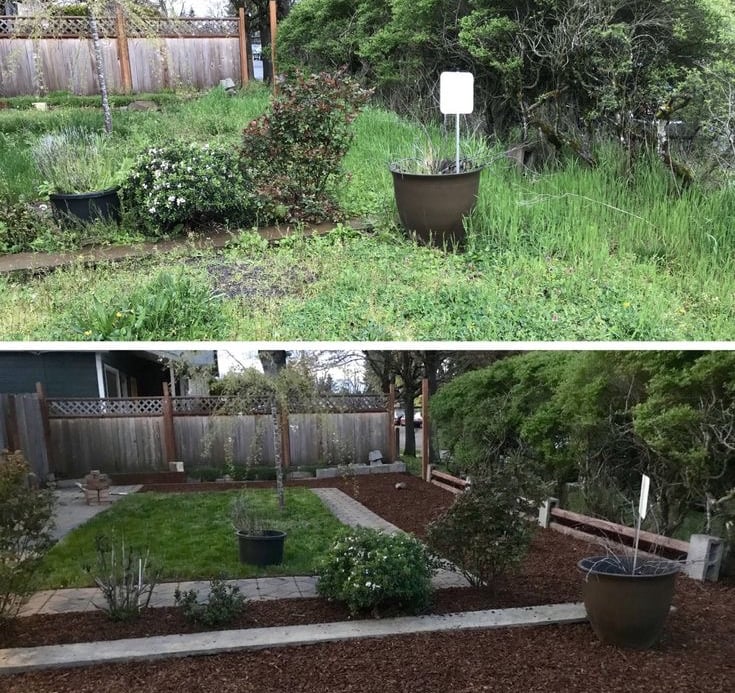
Adding trees into a landscape not only boosts its aesthetic appeal but also contributes to environmental health. Trees offer shade, reduce energy costs, and improve air quality, making them vital for any outdoor space. Correct tree planting and care are essential for guaranteeing their longevity and impact.
Selecting the correct species for the given climate and soil conditions is the first step in this process. Moreover, understanding the best planting techniques, such as depth and spacing, supports healthy root development. Regular maintenance, including watering, pruning, and pest management, confirms trees flourish and integrate seamlessly into the landscape.
Moreover, trees can establish privacy, serve as windbreaks, and attract beneficial wildlife. Partnering with professional tree care services can additionally improve these benefits by providing expert advice and services adapted to individual landscapes. Finally, strategic tree planting and care convert outdoor areas into lively, sustainable environments.
Questions & Answers
How Often Do Newly Planted Trees Need Watering?
Newly planted trees should be watered deeply once a week during dry spells. During the initial growing season, maintaining steady moisture levels is crucial. Observing moisture levels in the soil helps assess the need for supplemental watering.
Is It Possible for Tree Roots to Damage My Foundation?
Indeed, tree roots can harm foundations. As they expand, roots may exert force on structures and soil, potentially resulting in cracks or shifting. Proper tree placement and regular inspections can help minimize these risks.
How Can You Tell if a Tree is Dying?
Signs of a dying tree include discolored or wilting leaves, significant leaf fall, dead branches, fungal development, and fissures in the bark. Moreover, a visible lean or soft spots in the trunk may signal poor health.
Are There Particular Trees That Suit Small Yards Better?
Particular trees, such as Japanese maples, dogwoods, and dwarf varieties, are ideal for small yards. They deliver beauty without overwhelming compact space, offering shade and beauty while maintaining reasonable growth and care requirements.
How Do I Compost Fallen Leaves Safely?
To effectively compost fallen leaves, you need to layer them with green materials, maintain moisture, consistently turn the compost pile, and observe temperature conditions. This approach guarantees efficient decomposition while stopping issues including mold and pests.